The world of doll collecting has expanded exponentially over the last decade. What used to be a niche hobby reserved for porcelain enthusiasts or children has transformed into a vibrant, global community of adults who appreciate the artistry, craftsmanship, and fashion of various doll types. However, for a newcomer, the options can be overwhelming. From the tactile softness of plush dolls to the intricate engineering of Ball-Jointed Dolls (BJD) and the trendy, fandom-driven world of cotton dolls, how do you know which one is right for you?
This guide provides a comprehensive breakdown of the three most popular doll types in the current market: Plush Dolls, BJDs, and Cotton Dolls. We will explore their definitions, pros and cons, costs, and clothing compatibility to help you make an informed decision for your collection.
What is a Plush Doll?
Plush dolls, also known as stuffed toys or soft toys, are perhaps the most accessible entry point into the world of doll collecting. While the term traditionally refers to children’s toys, the modern adult collector market has seen a surge in designer plush and "art toys" that are meant for display, photography, and high-end fashion styling.
Definition and Characteristics
A plush doll is primarily made of fabric—usually polyester, faux fur, or minky—and filled with soft stuffing like PP cotton or pellets. Unlike BJDs, they do not have a rigid internal structure unless they are specialized "poseable" plushies. Their primary appeal lies in their "huggability" and the sensory comfort they provide.
Popular Brands and Trends
The plush doll market is currently dominated by a few key players that have elevated the medium:
- Labubu (Pop Mart): Part of the Monsters series by artist Kasing Lung, Labubu has become a global phenomenon. These plushies often feature eccentric, mischievous expressions and are highly collectible due to limited releases.
- Jellycat: Known for their incredibly soft fur and quirky designs (like the Amuseable series), Jellycat appeals to collectors who value high-quality materials and a whimsical, British aesthetic.
- Squishmallows: While more casual, Squishmallows have created a massive secondary market for collectors who enjoy the "squishy" texture and simple, cute designs.
Pros and Cons of Plush Dolls
Pros:
- Durability: They are difficult to break. You can drop them, sit on them, or travel with them without fear of shattering resin or snapping joints.
- Tactile Comfort: They are the best choice for those who want a doll they can actually cuddle with.
- Portability: Lightweight and easy to pack in a bag for "doll outings."
- Price Point: Generally the most affordable option, though designer brands like Labubu can command high resale prices.
Cons:
- Limited Posing: Most plush dolls cannot stand on their own or hold complex poses for photography.
- Maintenance: They can attract dust and stains easily, and washing them requires care to avoid matting the fur or ruining the stuffing.
- Styling Limits: While clothing exists, the soft nature of the body makes it harder to achieve a "tailored" look compared to rigid dolls.
What is a BJD (Ball-Jointed Doll)?
If plush dolls represent the softest side of the hobby, Ball-Jointed Dolls (BJD) represent the most technical and artistic side. A BJD is a doll that is articulated with ball-and-socket joints, which are held together by internal elastic tension (stringing).
Definition and Characteristics
Most authentic BJDs are made of polyurethane resin, a heavy, stone-like plastic that feels premium and cool to the touch. They are designed to be "blank canvases." Collectors often buy them as "basic" dolls and then commission or perform a "face-up" (makeup), choose eyes, wigs, and even swap out hands and feet.
The Customization Depth
The level of customization in the BJD world is unparalleled. You can choose different skin tones (fair, tan, ebony, or even fantasy colors like blue or lilac), body types (mature, muscular, petite), and heights (ranging from 10cm "tinies" to 80cm "mega" dolls).
Pros and Cons of BJDs
Pros:
- Infinite Posing: Thanks to their joints, BJDs can sit, stand, and gesture like humans, making them the gold standard for doll photography.
- Artistic Value: Every BJD is a piece of sculpture. Many collectors view them as fine art rather than toys.
- Longevity: If cared for, resin dolls can last decades.
- High Fashion: Because their bodies are rigid and anatomically modeled, clothes look incredibly realistic on them.
Cons:
- Fragility: Resin can chip or shatter if dropped on a hard surface. They are not "cuddle" dolls.
- Cost: BJDs are an investment. A full-set doll from a reputable company can cost anywhere from $300 to over $1,000.
- Maintenance: Over time, the elastic strings may lose tension and need to be "re-strung." Resin also "yellows" or changes color if exposed to too much UV light.
What is a Cotton Doll?
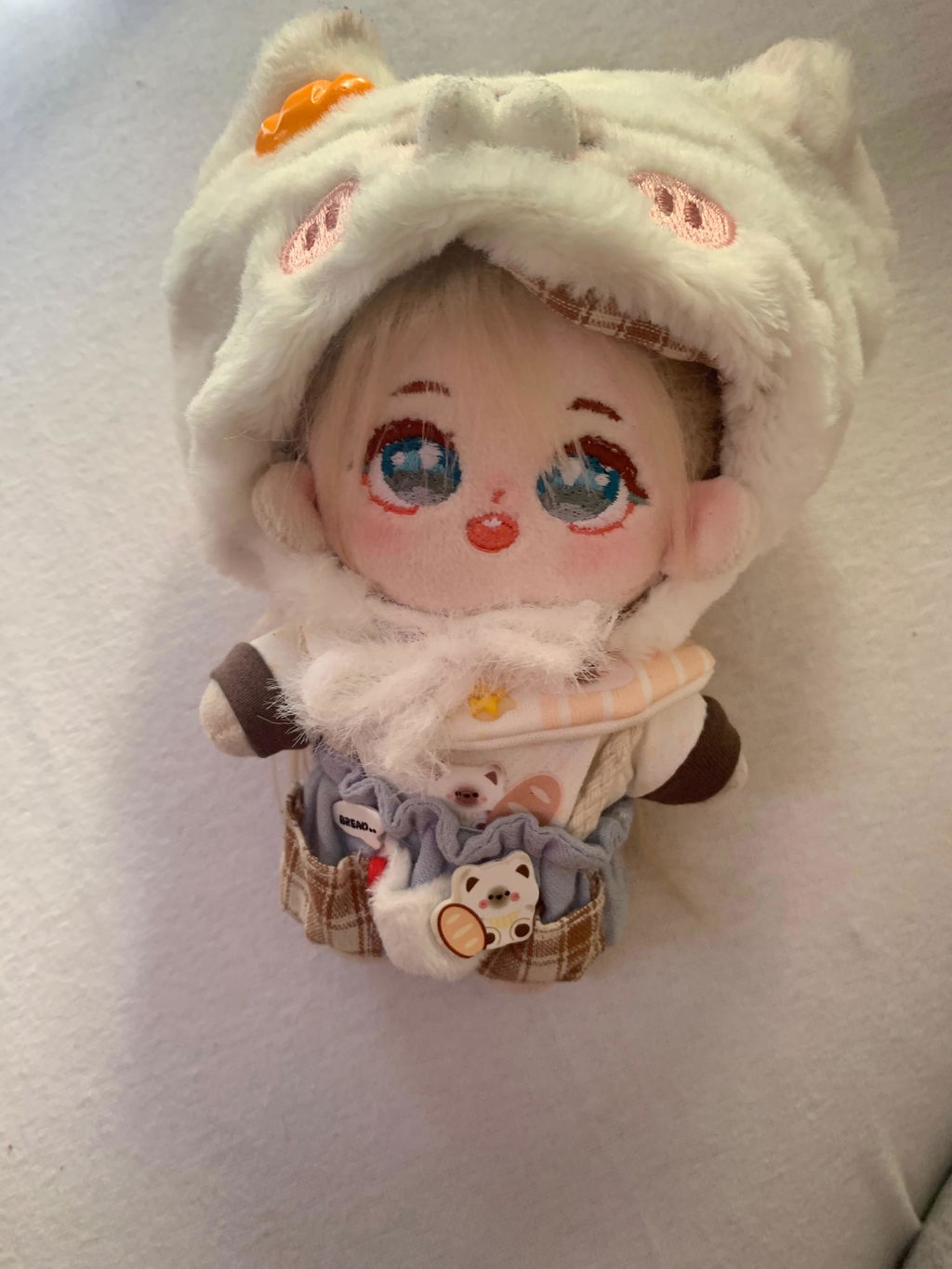
The "Cotton Doll" (棉花娃娃) phenomenon originated in the K-pop and C-pop fandoms. Initially created as unofficial fan merchandise representing idols, they have evolved into an independent industry of original characters (non-attribute dolls).
Definition and Characteristics
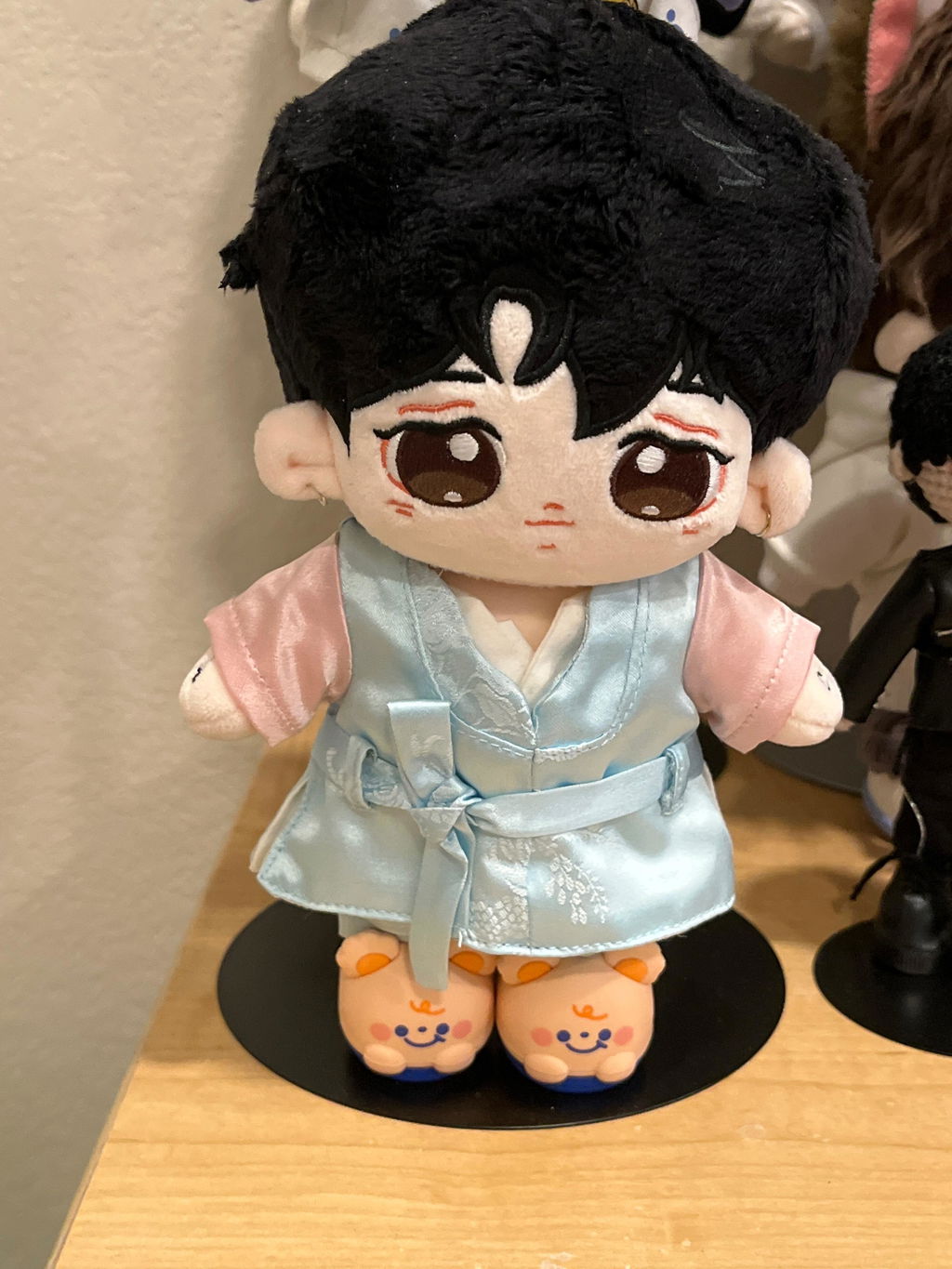
Cotton dolls are essentially a hybrid between a plush doll and a collectible figurine. They are typically made of high-quality crystal super-soft fabric or "rabbit hair" fabric. Their most defining feature is the 20cm or 15cm standard size and their beautifully embroidered facial features. Unlike western plushies, cotton dolls are designed to be "sturdy" so they can wear structured outfits.
The Standardized Hobby
One of the reasons cotton dolls have taken over the internet is the standardization of size. Most creators stick to the "20cm" rule, which has allowed a massive industry of cotton doll clothes to flourish. You can find everything from miniature high-school uniforms to elaborate traditional Chinese hanfu or gothic lolita dresses for these dolls.
Pros and Cons of Cotton Dolls
Pros:
- The "Cute" Factor: They are designed to look "moe" or extremely adorable, often with blushing cheeks and sparkling eyes.
- Vibrant Fashion Scene: Because the 20cm size is so standard, there is an endless supply of affordable, high-quality clothing.
- Portability: They are the perfect size for "nui-dori" (doll photography in public).
- Affordability: They sit comfortably between plushies and BJDs in price.
Cons:
- Limited Articulation: While some have internal "skeletons" (plastic armatures), they still cannot pose as well as a BJD.
- Resale Complexity: In the cotton doll community, many dolls are sold via "group buys" and "pre-orders," meaning if you miss the window, you might have to pay a premium on the second-hand market.
Head-to-Head Comparison Table
| Feature | Plush Doll (Art Toy) | BJD (Ball-Jointed Doll) | Cotton Doll (20cm/15cm) |
|---|---|---|---|
| Material | Fabric / Faux Fur | Polyurethane Resin | Soft Fabric / Embroidery |
| Durability | High (Unbreakable) | Low (Fragile) | High (Sturdy) |
| Price Range | $20 - $150 | $150 - $1,500+ | $30 - $100 |
| Customization | Low (Mostly fixed) | Extremely High (Wigs, Eyes, Face) | Medium (Wigs, Skeletons) |
| Portability | Excellent | Poor (Requires carriers) | Excellent |
| Poseability | Very Low | Excellent (Human-like) | Medium (With skeleton) |
| Maintenance | Brushing / Washing | Re-stringing / UV protection | Brushing / Lint removal |
| Community | Art Toy / General | High-end Art / Fashion | Fandom / Social Media |
Which Doll Suits Your Personality?
Choosing a doll is a deeply personal decision. Your lifestyle and what you enjoy doing with your hobby will dictate the best choice.
The Collector (Plush Dolls)
If you love the thrill of the hunt and want to display a wall of cute, diverse characters without worrying about "styling" them every day, plush dolls (especially designer brands like Pop Mart's Labubu) are for you. They look great in a curated shelf and require the least amount of "work."
The Photographer and Artist (BJD)
If you enjoy storytelling, photography, and fine details, the BJD is your match. You can spend hours setting up a single shot because the doll can hold a pose. If you are an artist who wants to paint faces or sew complex, miniature haute couture, the resin body of a BJD provides the best canvas.
The Fashionista (Cotton Doll)
If your favorite part of a hobby is "playing dress-up," go for a cotton doll. The sheer variety of 20cm cotton doll clothes available today is staggering. You can change your doll’s aesthetic every day—from a "streetwear" look to a "royal princess" look—without breaking the bank.
The Traveler (Plush or Cotton Doll)
If you want a companion to take to cafes, parks, or on vacation, stick to fabric-based dolls. They are light, they don't break, and they are socially "easy" to carry. A BJD often requires a padded "doll coffin" or carrier, which can be cumbersome for a casual day out.
The Beginner on a Budget (Cotton Doll)
For those who want the "collector" experience—buying clothes, joining communities, and taking photos—but aren't ready to drop $500, the cotton doll is the perfect middle ground.
Clothing Compatibility Across Doll Types
One of the most common questions is: "Can my dolls share clothes?"
The answer is: sometimes, but it’s tricky.
- 20cm Cotton Doll Clothes: These are the "universal" size of the hobby. Because they are designed for a chubby, soft body, they can often fit "1/6 scale" (YOSD) BJDs, though the fit will be baggy and "oversized." They also fit many medium-sized plush toys like the Labubu Macaron series.
- BJD Clothes: BJD clothes are highly specific to the doll's measurements. A 1/4 scale BJD outfit will not fit a 20cm cotton doll because the BJD has a much thinner waist and longer limbs.
- Plush Doll Clothes: Most plush dolls are sold "as is." However, many collectors are now buying 20cm outfits for their plushies. If the plush toy is between 15cm and 25cm, there is a good chance a standard cotton doll outfit will fit.
For a wide selection of outfits that bridge these gaps, many collectors visit niannyyhouse.com, which specializes in high-quality garments specifically tailored for the 20cm cotton doll standard but often compatible with other similar-sized plushies.
Budget Breakdown: What to Expect
When starting out, the initial cost of the doll is only one part of the equation.
Plush Doll Budget
- The Doll: $30 - $80.
- Accessories: Usually none required.
- Total: Low.
BJD Budget
- The Doll (Basic): $250.
- Face-up (Makeup): $50 - $150 (if commissioned).
- Wig and Eyes: $40.
- Outfit: $60 - $100.
- Total: High. Expect to spend $400+ to get a "complete" looking doll.
Cotton Doll Budget
- The Doll: $40.
- Internal Skeleton (Optional): $10.
- Full Wardrobe (3-4 Outfits): $60 - $80.
- Total: Moderate. You can have a fully styled doll with multiple looks for under $150.
Where to Buy Dolls and Clothes
Buying the Dolls
- Plush Dolls: Check official brand sites like Pop Mart, Jellycat, or specialized art toy boutiques.
- BJDs: Stick to official company sites (like Fairyland, Luts, or Iplehouse) or authorized dealers (like Denver Doll Choice or Alice's Collections) to avoid "recasts" (illegal copies).
- Cotton Dolls: Most are sold on platforms like Weibo, CP (Comicup), or via international proxies. You can also find "non-attribute" dolls on reputable Shopify stores and Etsy.
Buying the Clothes
While some doll companies sell their own clothes, the best "wardrobes" come from independent shops. For those collecting cotton dolls or looking for cute, high-quality 1/6 scale-adjacent outfits, Niannyyhouse is a top-tier destination. They offer a range of styles that cater to the "cute" aesthetic of cotton dolls while maintaining a level of detail that appeals to BJD owners as well.
Final Recommendation by Use Case
Still undecided? Here is our final verdict:
- Choose a Plush Doll if: You want a low-maintenance, cuddly friend that doubles as a designer art piece on your shelf. Best for those who value durability and "cute" aesthetics without the need for complex customization.
- Choose a BJD if: You are an artist, a photographer, or a high-fashion enthusiast. You don't mind the high price tag or the fragility because you value the anatomical realism and the infinite posing possibilities.
- Choose a Cotton Doll if: You want a trendy, social hobby centered around fashion and community. You love the "moe" art style and want to collect dozens of affordable, high-quality outfits to change your doll's look every week.
Conclusion
Whether you choose the soft embrace of a plush doll, the elegant poise of a BJD, or the fashionable charm of a cotton doll, you are entering a community filled with creativity and joy. Each doll type offers a unique way to express yourself, whether through photography, sewing, or simply curating a beautiful display in your home.
Ready to start styling your new companion? Explore the latest trends and find the perfect outfit for your collection at Niannyyhouse. Happy collecting!