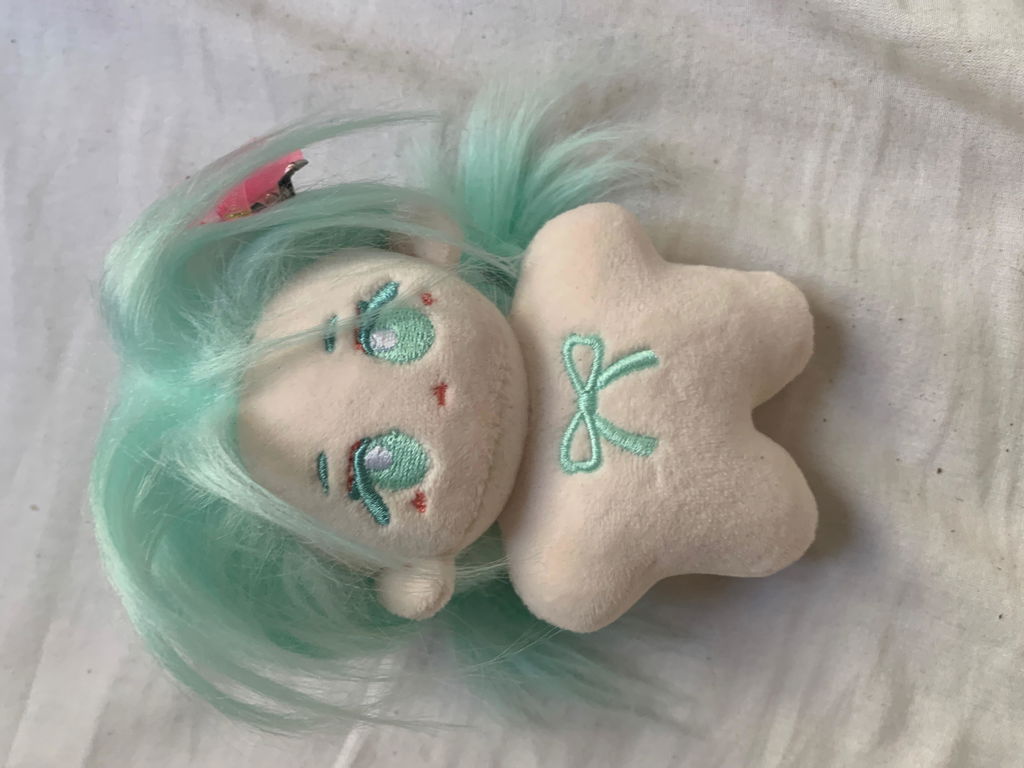
The world of doll collecting has evolved far beyond simple shelving and display cases. Over the last few years, a vibrant, global community has exploded across platforms like Instagram, TikTok, and Pinterest. Known affectionately as #Dollstagram or the #DollCommunity, this digital space is where collectors become creators, photographers, and stylists. Whether you collect BJD (Ball-Jointed Dolls), fashion dolls like Barbie, or plush companions, learning how to photograph dolls effectively is the key to sharing your passion with the world.
If you have ever scrolled through your feed and wondered how photographers make 12-inch figures look like living, breathing characters in a miniature world, this guide is for you. You do not need a thousand-dollar studio setup or a professional degree in photography to get started. With the right techniques and a bit of creativity, you can turn your doll's latest outfit into a viral piece of art.
Why Doll Photography Matters
Before diving into the technical aspects, it is worth exploring why so many people are picking up their cameras to document their collections. Doll photography is more than just a hobby; it is a multifaceted creative outlet.
1. Community and Connection
Posting your work on social media introduces you to a network of like-minded individuals. The doll community is remarkably supportive. By sharing your photos, you participate in "doll challenges," collaborate with other artists, and find inspiration in the work of others. It transforms a solitary hobby into a social experience.
2. Creative Expression
Dolls provide a unique canvas for storytelling. Through photography, you can build entire worlds, express moods, and explore fashion trends. You are the director, the set designer, and the stylist. It is an excellent way to practice photography fundamentals—like lighting and composition—on a small, controllable scale.
3. Personal Branding and Business
For many, doll photography is a gateway to something larger. Some collectors become influencers in the niche, receiving early access to new releases. Others use their skills to showcase handmade doll clothes or accessories. If you have a shop on platforms like Shopify or Etsy, high-quality photos are essential for driving sales.
Essential Gear: Starting With What You Have
The most common misconception among beginners is that they need a high-end DSLR or mirrorless camera to take good photos. While professional gear offers more control, it is not a requirement for social media success.
Using Your Smartphone
Modern smartphones are equipped with incredible cameras and software that can mimic professional effects. To get the most out of your phone:
- Clean your lens: Dolls are small, and any smudge on your lens will drastically reduce the clarity of the photo.
- Use Portrait Mode: Most phones have a depth-of-field effect that blurs the background (bokeh), making the doll stand out.
- Lock Focus and Exposure: Tap on your doll's face on the screen and hold it to lock the focus. Slide your finger up or down to adjust the brightness before snapping the shot.
Basic Accessories
- A Tripod: A small, flexible tripod (like a GorillaPod) is invaluable for keeping your shots steady, especially in low-light conditions.
- A Remote Shutter: This allows you to trigger the camera without touching the phone, preventing camera shake.
- Reflectors: A simple piece of white foam board or aluminum foil can reflect light back onto the doll's face to fill in harsh shadows.
Lighting Basics for Doll Photography
Lighting is the single most important factor in photography. It determines the mood, the clarity, and the overall professional look of your image.
1. Natural Light
For beginners, natural light is your best friend. It is free, abundant, and soft.
- The Window Technique: Place a table near a large window. Use a sheer white curtain to diffuse the sunlight, creating a soft, even glow that is very flattering for doll skin tones.
- The Golden Hour: The hour after sunrise and the hour before sunset provide a warm, directional light that adds a magical quality to outdoor doll photos. Avoid the midday sun, as it creates harsh shadows and can cause "raccoon eyes" on dolls with deep-set features.
2. DIY Light Box
If you prefer to shoot indoors at night, a DIY light box is a game-changer. You can make one using a cardboard box with the sides cut out and replaced with white tissue paper. Shine desk lamps through the tissue paper to create a shadow-free environment. This is perfect for "product-style" shots where you want the focus entirely on the doll and their outfit.
3. Artificial Light
If you are ready to invest, a small LED panel or a ring light can provide consistent lighting. Look for lights that allow you to adjust the "color temperature"—warmer light for cozy indoor scenes and cooler light for daylight simulation.
Composition Techniques: Elevating Your Shots
Composition is how you arrange elements within the frame. Good composition guides the viewer's eye to the doll and creates a sense of balance.
1. The Rule of Thirds
Imagine your frame is divided into a 3x3 grid. Instead of placing your doll directly in the center, try placing them along the vertical lines or at the intersections. This creates a more dynamic and visually interesting image.
2. Get on Their Level
One of the biggest mistakes beginners make is photographing dolls from a human perspective (looking down). This makes the doll look like a toy. To make the doll look like a character, bring your camera down to their eye level. This creates a sense of intimacy and makes the miniature world feel real.
3. Background Selection
The background should complement the doll, not distract from it.
- Simplify: A cluttered background will pull attention away from the doll. Use plain colored cardstock, fabric, or a dedicated doll diorama.
- Scale: Ensure the items in the background match the scale of the doll. A giant blade of grass or a massive coffee mug can break the illusion of a miniature world unless that is the specific look you are going for.
The Art of Posing Your Doll
A static, stiff doll looks like an object. A well-posed doll looks like they caught a moment in time.
1. Understanding Joints
Whether your doll has basic articulation or a complex ball-jointed system, learn how the body moves. Look at human references. How do people stand when they are relaxed? How do they sit when they are tired? Mimic these natural curves and angles.
2. Stability and Support
Dolls are notoriously difficult to balance.
- Doll Stands: Use a stand, but try to hide it behind the doll's legs or under their clothes. You can also edit it out later using apps.
- Sticky Tack: A small amount of blue or white tack under the doll's feet can help them stand on uneven surfaces.
- Leaning: If a doll won't stand, have them lean against a prop like a miniature wall, a tree, or a piece of furniture.
3. Using Props
Props give your doll something to do. A doll holding a tiny book, a cup of coffee, or a shopping bag instantly tells a story. Ensure the props are scaled correctly to maintain the realism.
Outfit Selection: The Heart of the Photo
Since your doll's outfit is their primary form of expression, choosing the right clothes is vital. This is where you can truly show off your styling skills.
1. Color Theory
Think about the relationship between the doll's outfit and the background.
- Complementary Colors: If your doll is wearing a blue dress, a warm orange or wooden background will make the colors pop.
- Monochromatic: Using different shades of the same color can create a very sophisticated, "high-fashion" look.
2. Seasonal Themes
Keep your content relevant by matching the seasons. In autumn, dress your dolls in tiny sweaters and scarves and photograph them among fallen leaves. In summer, bright swimwear and miniature sunglasses are a hit on social media. For a wide variety of high-quality options, you can browse collections of doll clothes to find the perfect match for your next shoot.
3. Texture and Detail
Because dolls are small, the camera picks up textures easily. Mix materials like lace, denim, and knits to add depth to your photos. Make sure the clothes are well-fitted; oversized clothes can hide the doll's silhouette and make them look bulky in photos.
Editing Workflow: The Final Polish
Editing is not about "fixing" a bad photo; it is about enhancing a good one. You can do all your editing on your phone using free or low-cost apps.
Recommended Apps
- Snapseed: A powerful, all-purpose editor by Google. The "Selective" tool is great for brightening just the doll's face without affecting the background.
- VSCO: Popular for its film-like filters. It is excellent for creating a consistent aesthetic for your Instagram feed.
- Lightroom Mobile: The gold standard for professional editing. You can adjust specific colors (like making a green background more muted) and save "presets" to apply the same look to all your photos.
Basic Adjustments
- Brightness/Exposure: Ensure the photo isn't too dark.
- Contrast: Add a bit of contrast to make the image pop.
- Saturation/Vibrance: Enhance the colors, but be careful not to make the doll's skin look orange.
- Sharpening: A little bit of sharpening can help the details of the doll's eyes and clothes stand out.
Strategic Posting for Instagram and TikTok
Taking the photo is only half the battle; getting people to see it requires a bit of strategy.
1. Captions and Storytelling
Don't just post a photo with a single word. Give your doll a voice. Describe what they are doing, how they feel, or ask your followers a question. Engagement (comments and shares) is highly valued by social media algorithms.
2. The Power of Hashtags
Use a mix of broad and niche hashtags.
- Broad: #dolls #photography #toyphotography
- Specific: #BJDphotography #BarbieCollector #Dollstagram #NiannyyHouse
3. Formats: Carousels vs. Reels
On Instagram, carousels (multiple photos in one post) are great for showing different angles of an outfit or a "behind-the-scenes" shot of your setup. On the other hand, Reels are currently the best way to reach people who don't already follow you. You can film "unboxing" videos or quick "get ready with me" clips featuring your doll's new wardrobe.
4. Posting Times
Check your account's analytics to see when your followers are most active. Generally, posting when your audience is awake and scrolling will lead to higher initial engagement.
Building Your Doll's Character and Aesthetic
To stand out in the crowded world of doll social media, you need a hook.
1. Create a Backstory
Is your doll a wandering adventurer? A high-fashion model? A student in a magical academy? Having a consistent character helps you decide on poses, outfits, and locations. It also gives your followers a reason to stay invested in your doll's "life."
2. Maintain a Consistent Aesthetic
A "cohesive feed" is one where all the photos look like they belong together. You can achieve this by using the same editing preset, a consistent color palette, or a recurring theme. When someone visits your profile, they should immediately understand your style.
Common Beginner Mistakes to Avoid
Even seasoned photographers make mistakes, but knowing these common pitfalls can save you time.
- Dirty Lenses: As mentioned before, a smudge can ruin everything. Wipe your lens before every shoot.
- Distracting Backgrounds: Always check the edges of your frame. Is there a stray human-sized sock in the corner? A distracting power cord?
- Ignoring the Hair: Doll hair is prone to flyaways. Use a tiny bit of water or doll-safe styling cream to smooth it down before taking the photo. Messy hair is much harder to fix in editing than it is in real life.
- Over-Editing: It is tempting to use heavy filters, but these can make the photo look grainy and unnatural. Aim for a look that enhances the doll's features rather than masking them.
Gear and Outfit Resources
As you progress, you may want to expand your toolkit. While your phone is a great start, you might eventually look into macro lenses for your smartphone or professional studio lights.
However, the most important "gear" for any doll photographer is a diverse wardrobe. A new outfit can provide hours of photographic inspiration. If you are looking for trendy, well-made pieces that look fantastic on camera, check out the latest arrivals at niannyyhouse.com. From casual street style to elegant gowns, having high-quality clothes makes the photography process much more rewarding.
Conclusion
Doll photography is a journey of constant learning and discovery. It bridges the gap between the physical world of collecting and the digital world of creative sharing. By focusing on lighting, composition, and storytelling, you can transform your dolls from static figures into captivating characters that resonate with an international audience.
Remember, the most important thing is to have fun. Don't worry about likes or follower counts when you are just starting. Focus on the joy of styling your dolls, the challenge of finding the perfect light, and the satisfaction of capturing a beautiful moment. Grab your doll, pick up your phone, and start shooting—the community is waiting to see what you create.