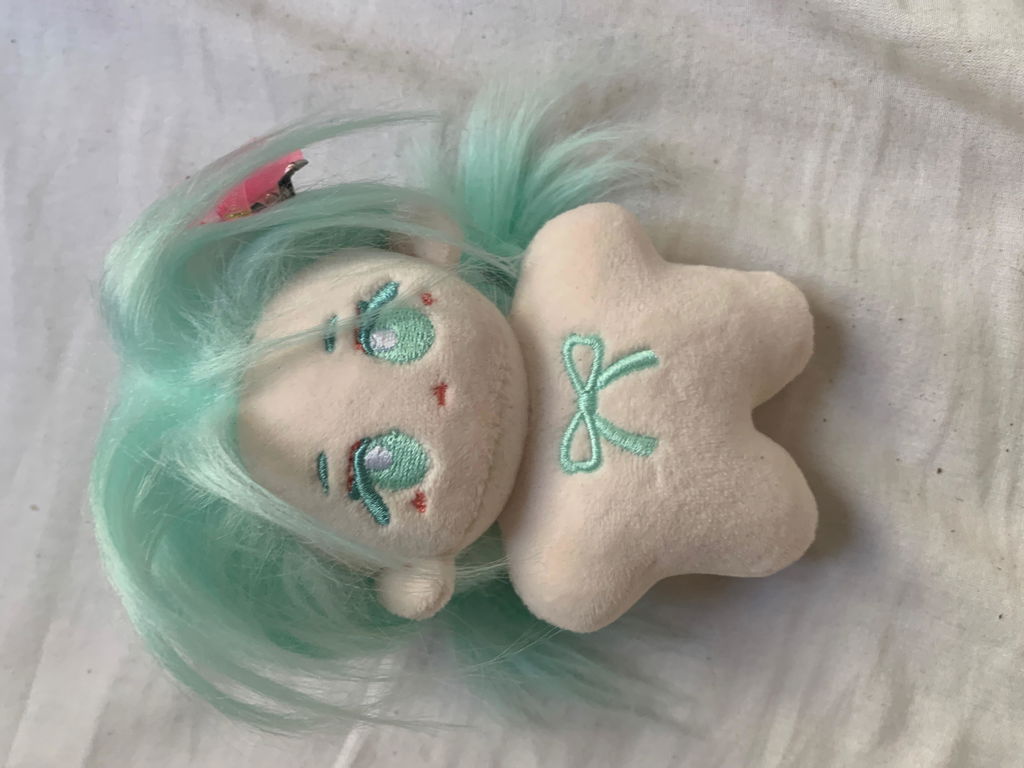
If you've ever scrolled through Instagram or TikTok and seen stunningly detailed dolls with porcelain skin, hand-painted faces, and intricate outfits — you've probably encountered a BJD. Ball-Jointed Dolls have exploded in popularity over the past decade, evolving from a niche hobby into a global creative movement. But for newcomers, the world of BJDs can feel overwhelming: What sizes are there? How much do they cost? Where do you even start?
This guide breaks down everything a first-time BJD owner needs to know — from choosing your first doll to dressing, customizing, and caring for it. Whether you're drawn to the artistic side, the fashion styling, or the collecting community, you'll find your starting point here.
What Exactly Is a BJD?
BJD stands for Ball-Jointed Doll. These are articulated dolls made from resin, vinyl, or sometimes porcelain, held together by elastic string that runs through their joints. The "ball joint" design allows for an extraordinary range of poseability — you can position a BJD in almost any human-like posture, from sitting cross-legged to dynamic action poses.
Unlike mass-produced fashion dolls (like Barbie or Bratz), BJDs are:
- Highly customizable — you can swap eyes, wigs, face-ups (makeup), hands, and even body parts
- Handcrafted — many are sculpted by independent artists or small studios
- Made to scale — they come in standardized sizes that share clothing and accessory compatibility
- A creative medium — owners (called "doll artists" or "doll parents") often photograph, paint, sew, and build entire worlds around their dolls
The BJD hobby originated in Japan and South Korea in the late 1990s, with brands like Volks (Japan) and Luts (Korea) pioneering the market. Today, dozens of companies worldwide produce BJDs in every style imaginable — from realistic human figures to fantasy creatures, anime characters, and even animal-human hybrids.
BJD Sizes Explained: Which One Should You Choose?
BJD sizes are measured by the doll's height in centimeters and are grouped into standardized "scale" categories. This matters because clothing, wigs, eyes, and shoes are size-specific — a 1/4 outfit won't fit a 1/3 doll, and vice versa.
Here's a breakdown of the most common BJD sizes:
1/12 Scale (10cm–15cm) — "Tiny"
These are pocket-sized BJDs, often called "tinies" in the community. They're perfect if you:
- Have limited display space
- Want a travel-friendly companion
- Are on a tighter budget (smaller dolls = less material = lower price)
- Love the aesthetic of miniature, palm-sized figures
Popular tiny BJD brands include Pukipuki (Fairyland), YoSD (Volks), and various indie sculptors. Clothing for this size range (10cm–15cm) is widely available and tends to be more affordable.
1/6 Scale (20cm–30cm) — "Mini"
Minis are the sweet spot for many collectors. They're large enough to appreciate fine details (hand-painted faces, delicate accessories) but small enough to display on a bookshelf. If you're looking at 20cm plush doll clothes or outfits for BJDs in this range, you'll find an enormous selection of styles.
Notable mini BJD lines include Fairyland's Littlefee, Soom's gem series, and Dollzone's mini range.
1/4 Scale (35cm–45cm) — "SD" (Super Dollfie)
The 1/4 scale is often considered the "standard" BJD size. These dolls have enough presence to serve as display centerpieces while remaining manageable. They're also the most popular size for:
- Photography projects (large enough for detailed shots)
- Customization (bigger canvas = easier face-up work)
- Outfit variety (1/4 clothing has the widest selection)
1/3 Scale (55cm–70cm) — "Large"
These are impressive, near life-like dolls. They require more display space and are heavier, but the level of detail and realism is unmatched. Large BJDs are favored by:
- Professional doll photographers
- Advanced customizers who want maximum surface area for painting
- Collectors who want a "statement piece"
Quick Size Comparison
| Scale | Height | Best For | Clothing Availability | Price Range |
|---|---|---|---|---|
| 1/12 | 10–15cm | Beginners, travel, small spaces | Good | \$50–\$200 |
| 1/6 | 20–30cm | Balance of detail and portability | Excellent | \$100–\$400 |
| 1/4 | 35–45cm | Display, photography, customization | Best | \$200–\$600 |
| 1/3 | 55–70cm | Serious collectors, advanced art | Good | \$400–\$1,000+ |
How to Choose Your First BJD
Step 1: Set Your Budget
BJDs range from \$50 for a basic tiny to over \$1,000 for a fully customized large doll. As a beginner, consider starting with a 1/12 or 1/6 scale doll in the \$100–\$300 range. This lets you explore the hobby without a massive upfront investment.
Budget tip: Many companies offer "basic" versions (blank doll, no face-up) at a lower price. You can practice face-up painting yourself or commission an artist later.
Step 2: Choose a Character or Aesthetic
What draws you to BJDs? Some popular aesthetics include:
- Realistic — dolls that look like real people (great for fashion photography)
- Anime/Manga — stylized features, large eyes, vibrant hair colors
- Fantasy — elves, fae, vampires, animal-human hybrids
- Vintage/Historical — Victorian, Renaissance, or steampunk-inspired dolls
Browse company catalogs on sites like Den of Angels (the largest English-language BJD community) or Instagram hashtags like #bjd and #bjdcommunity to find what resonates with you.
Step 3: Check Compatibility
Before buying, verify that clothing, wigs, eyes, and shoes are available for your chosen size and brand. Most 1/6 dolls share clothing compatibility within their scale, but some brands have unique body proportions. Always check:
- Eye size (measured in mm — common sizes are 10mm, 12mm, 14mm, 16mm)
- Wig cap size (measured in inches — 6-7" for tinies, 7-8" for minis, 8-9" for 1/4)
- Shoe size (varies by brand; some shoes are universal within a scale)
Step 4: Order from a Reputable Source
Stick to well-known BJD companies or authorized dealers. Unfortunately, recast dolls (unauthorized copies) are common in the market — they're cheaper but often have quality issues, and purchasing them doesn't support the original artists. Look for:
- Official company websites
- Authorized dealers listed on the brand's site
- Verified secondhand sellers in BJD community groups (always ask for certificates of authenticity)
Dressing Your BJD: A Fashion Starter Kit
One of the biggest joys of owning a BJD is dressing it up. Unlike static display figures, BJDs can wear real, removable clothing — and the fashion options are practically endless.
Essential Wardrobe Pieces for Beginners
Every BJD wardrobe should start with these versatile basics:
- A simple dress or outfit set — neutral colors (black, white, beige) that match any wig or eye color
- A casual everyday look — t-shirt and pants, hoodie set, or a cute onesie
- A "special occasion" outfit — something elaborate for photography or display (ball gown, suit, cosplay)
- Basic accessories — shoes, socks/stockings, a hat or headpiece
- Seasonal pieces — a cozy winter coat, a light summer dress
Where to Buy BJD Clothes
BJD clothing comes from several sources:
- Official brand stores — highest quality, perfect fit, but pricier
- Independent seamstresses — Etsy, Instagram, and Taobao have thousands of talented doll clothing makers
- DIY — many owners sew their own outfits (patterns are available for every BJD scale)
- Specialized doll clothing shops — stores like niannyyhouse that focus specifically on doll fashion across multiple sizes
Sizing Tips for BJD Clothing
Getting the right fit is crucial. Here are the key measurements to take before shopping:
- Chest circumference — measure around the widest part of the torso
- Waist — the narrowest point between chest and hips
- Hip — the widest point of the lower body
- Arm length — shoulder joint to wrist
- Leg length — hip joint to ankle
- Shoulder width — across the back between shoulder joints
Write these down and keep them handy when shopping online. Most doll clothing sellers provide size charts — always compare your doll's measurements before ordering, as sizing can vary between brands even within the same scale.
Customization: Making Your BJD Uniquely Yours
Face-Up (Painting)
The "face-up" is the painted makeup on your BJD's head. Many dolls ship with a default face-up from the company, but custom face-ups are where the artistry shines. Options include:
- Commission an artist — professional face-up artists charge \$50–\$200+ depending on complexity
- DIY with pastels and sealant — watercolor pencils, soft pastels, and MSC (Mr. Super Clear) sealant are the standard tools
- Hybrid approach — start with a base face-up and add custom details yourself
Pro tip: Always practice on a spare head or a cheap practice face before attempting your main doll. Pastel work takes practice, and removing a bad face-up requires careful sanding.
Eyes
BJD eyes are interchangeable glass or acrylic orbs that give your doll its expression. Swapping eyes is one of the easiest and most impactful customizations:
- Glass eyes — more realistic depth and light reflection, but fragile
- Acrylic/urethane eyes — durable, affordable, available in every color
- Silicone "track" eyes — follow camera angles for an uncanny lifelike effect
Eye sizes typically range from 10mm to 22mm depending on your doll's scale. Experiment with different colors — a simple eye swap can completely transform your doll's personality.
Wigs
BJD wigs are made from mohair, synthetic fiber, or human hair blends. They're secured with a wig cap that stretches over the doll's head. Popular wig styles include:
- Long flowing hair for fantasy characters
- Short pixie cuts for modern aesthetics
- Braids and ponytails for period looks
- Vibrant fantasy colors (pink, blue, silver, rainbow)
Caring for Your BJD
BJDs are investments — proper care ensures they last for years (or decades). Here's what every owner should know:
Storage
- Avoid direct sunlight — UV light yellows resin over time
- Store in a cool, dry place — humidity can damage stringing elastic
- Use a display case or soft cloth — dust accumulates quickly and can stain resin
- Remove dark-colored clothing for long-term storage — some fabrics can stain resin through prolonged contact
Cleaning
- Wipe with a soft, damp cloth — no harsh chemicals
- For stubborn stains — a magic eraser (melamine sponge) works gently on resin
- Yellowing prevention — keep dolls away from sunlight; some owners apply a UV-protective spray
Stringing Maintenance
The elastic string inside your BJD will eventually loosen. When your doll can't hold poses anymore, it's time to re-string:
- Carefully remove the head, hands, and feet
- Thread new elastic through the body using a stringing hook
- Adjust tension until joints feel firm but not stiff
- Reattach all parts
Re-stringing is a skill every BJD owner should learn — there are dozens of video tutorials on YouTube covering every brand and body type.
The BJD Community: You're Not Alone
One of the best parts of the BJD hobby is the community. Doll owners are passionate, creative, and generally very welcoming to newcomers. Here's where to connect:
Online Communities
- Den of Angels (denofangels.com) — the largest English-language BJD forum
- Reddit — r/BJD and r/BJDmarketplace
- Instagram — #bjd, #bjdcommunity, #bjdfashion, #dollphotography
- Facebook Groups — dozens of size-specific and brand-specific groups
- Discord servers — many brands and communities run active Discord servers
In-Person Events
- Doll meets — informal gatherings where owners bring their dolls, take group photos, and trade accessories
- Conventions — events like Dollmore World Fair (Korea), Dolpa (Japan), and various regional doll conventions
- Workshops — face-up painting classes, sewing workshops, and photography sessions
Sharing Your Journey
Don't be shy about sharing your doll photos and customization progress! The community loves seeing:
- Unboxing and first impressions
- Before-and-after face-up comparisons
- Outfit styling and fashion flat-lays
- Diorama and photography setups
- Progress on DIY projects
Common Beginner Mistakes (And How to Avoid Them)
- Buying without measuring — always check your doll's measurements before ordering clothes, wigs, or eyes. "1/6 scale" doesn't guarantee a universal fit.
- Storing near sunlight — even a few months of UV exposure can cause noticeable yellowing. Find a shaded display spot from day one.
- Skipping the sealant on face-ups — unsealed pastels will smudge and fade within weeks. Always apply 2-3 coats of MSC sealant.
- Over-tightening stringing — too-tight elastic can crack resin joints. Aim for firm but flexible.
- Ignoring dark clothing stains — dark dyes (especially red and black) can transfer to resin over time. Use a barrier layer (white cotton undershirt) between dark fabric and the doll's body.
- Not joining the community — the BJD hobby is more fun (and easier to learn) when you're connected. Don't go it alone.
Your Next Steps
Ready to start your BJD journey? Here's a simple action plan:
- Decide on a size — use the comparison table above to pick the scale that fits your space, budget, and goals
- Research brands — browse Den of Angels and Instagram for dolls that speak to you
- Set a budget — include the doll, one outfit set, a wig, eyes, and basic care supplies
- Join a community — introduce yourself and ask questions; most members are happy to help beginners
- Start collecting — your first doll is just the beginning
And when you're ready to build that first wardrobe, browse our collection for doll clothes in every size — from 10cm tinies to 40cm BJDs, we've got outfits that'll make your doll shine.
Have questions about BJDs or need help choosing your first doll? Leave a comment below or reach out — we love helping new collectors find their perfect match.