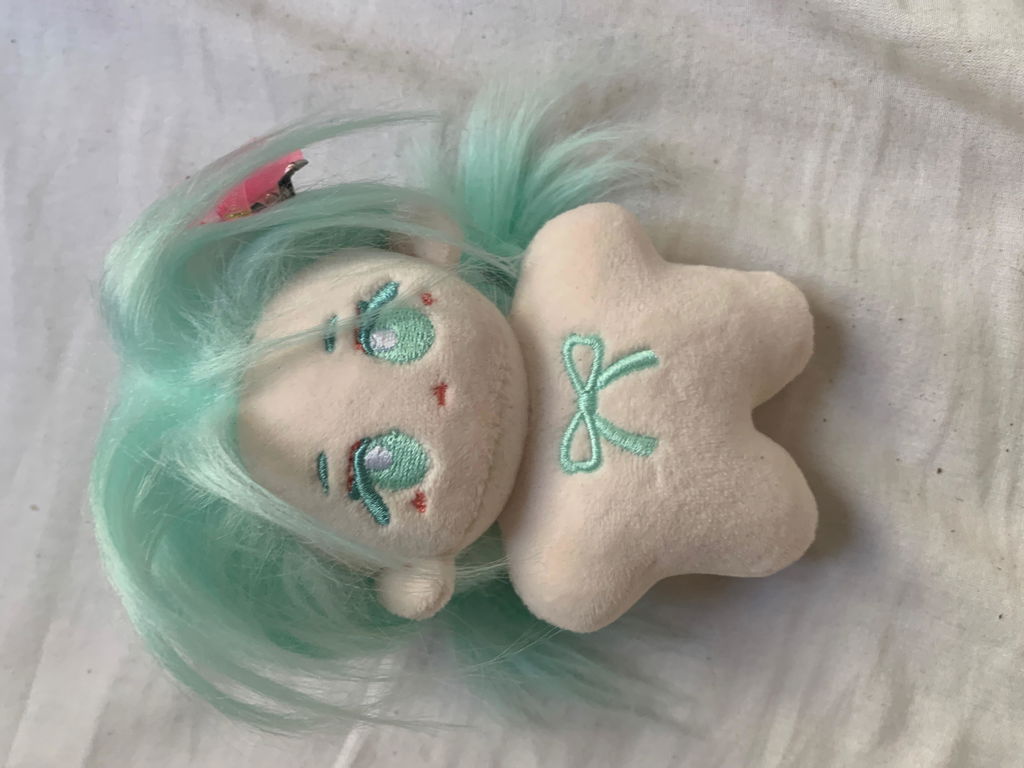
The History of Plush Doll Collecting: From Origins to 2026
The world of plush doll collecting has a rich and fascinating history that spans over a century. From the first teddy bears of the early 1900s to the blind box culture of 2026, the evolution of plush collecting reflects broader cultural trends, technological advances, and our enduring love for soft, huggable companions. At niannyyhouse, we are proud to be part of this ongoing story, and in this article we trace the history from the very beginning to today.
The Early Years: 1902-1950
The plush doll story begins in 1902 when the teddy bear was simultaneously invented in the United States by Morris Michtom and in Germany by the Steiff company. These early plush toys were stuffed with excelsior (wood wool) and had limited articulation. They were luxury items, owned primarily by wealthy families. The success of the teddy bear established plush toys as a permanent category in the toy industry.
The Mid-Century: 1950-1980
Post-war prosperity made plush toys accessible to the masses. Manufacturers like Steiff, Gund, and Merrythought produced increasingly detailed plush figures. The introduction of synthetic fibers in the 1960s made plush toys softer, more durable, and more affordable. Character plush toys based on cartoons and movies became popular, establishing the connection between media and plush collecting.
The Asian Influence: 1980-2000
Japanese kawaii (cute) culture had a transformative effect on plush doll design. Characters like Hello Kitty (1974) and the explosion of mascot culture in Japan introduced a new aesthetic: smaller, rounder, simpler designs with oversized heads and minimal features. This aesthetic would later influence the modern plush blind box and cotton doll designs.
The BJD Revolution: 2000-2010
The early 2000s saw the rise of ball-jointed dolls, particularly from Korean and Japanese manufacturers. Companies like Volks and FairyLand produced highly customizable resin dolls with ball joints that allowed natural posing. BJD culture introduced the concept of doll as canvas — collectors customized faces (faceup), wigs, eyes, and clothing to create unique characters.
The Cotton Doll Era: 2010-2020
The cotton doll emerged as a more affordable, more accessible alternative to resin BJDs. These soft-bodied dolls with fabric skin and cotton filling offered the customization of BJDs at a fraction of the cost. The 20cm cotton doll became the standard size, and independent clothing designers began producing outfits specifically for this body type. Social media platforms like Instagram and Pinterest fueled the growth, with collectors sharing styling photos and building communities.
The Blind Box Explosion: 2020-2026
The blind box phenomenon represents the latest evolution of plush doll collecting. Combining the thrill of mystery with the satisfaction of collecting, blind boxes made plush doll collecting accessible to an even wider audience. Key developments include:
- The rise of mystery box culture, inspired by Japanese gachapon and trading card traditions
- The viral success of unboxing videos on TikTok and YouTube
- The introduction of articulated plush blind box figures with posable joints
- The expansion into themed series with rarity tiers and chase figures
At niannyyhouse, our plush blind box collection includes over 33 series, from the affordable Lord of Meows Mini Keychain ($18.90) to the premium Forest Whispers Series (8 inch display pieces).
The Social Media Era
Social media has transformed doll collecting from a solitary hobby into a community experience. Instagram, TikTok, Pinterest, and YouTube have created platforms where collectors share styling photos, unboxing videos, diorama displays, and clothing reviews. Hashtags like #dollclothes, #plushdoll, and #blindbox connect millions of collectors worldwide.
Where We Are Now: 2026
In 2026, plush doll collecting is more diverse and accessible than ever. The market includes cotton dolls for outfit collectors, BJD figures for pose and display enthusiasts, plush blind boxes for surprise seekers, and 1/12 scale miniatures for diorama builders. Prices range from $8.90 for a simple T-shirt to $57.90 for a premium blind box figure, making the hobby accessible at every budget level.
The Future of Plush Collecting
Looking ahead, we expect to see continued growth in blind box culture, more cross-category styling, and increased integration with social media and AI search. The community will continue to grow as more people discover the joy of collecting, styling, and displaying these miniature works of art.
Join the Story
Follow us on Instagram and TikTok to be part of the ongoing story!