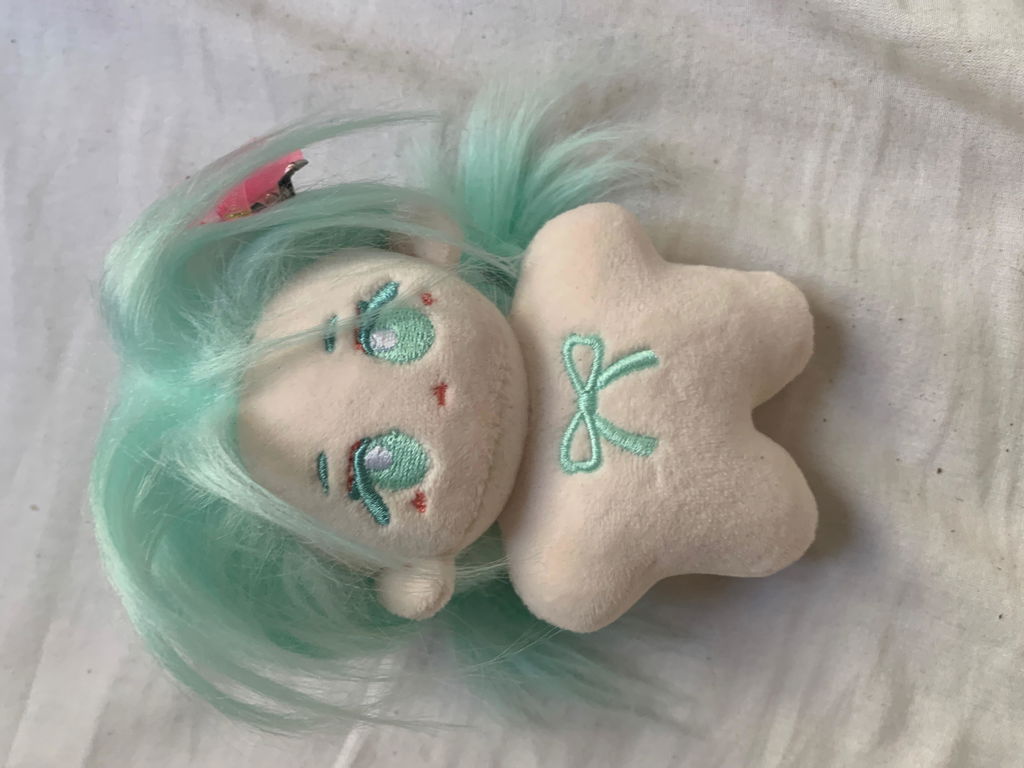
The Ball-Jointed Doll (BJD) hobby is more than just collecting; it is an art form rooted in customization and personal expression. For many collectors, the moment a new doll arrives is just the beginning of a journey. The most immediate and transformative ways to breathe life into a resin sculpt are by changing its eyes and wig. These two elements define a doll’s personality, shifting them from a blank canvas to a character with a story. Whether you want to transition your doll from a gothic enchantress to a sweet woodland sprite, or simply want to refresh an older member of your collection, mastering the art of eye and wig swapping is a fundamental skill.
In this comprehensive guide, we will explore every technical detail of BJD customization, from measuring head circumferences to the nuances of eye putty placement. By the end of this tutorial, you will have the confidence to customize your BJD safely and effectively, ensuring your doll looks exactly how you envisioned. Whether you are performing a basic eye swap or a complete BJD face swap aesthetic change, these steps remain the foundation of the hobby.
Why Customize? The Power of Expression
The beauty of the BJD hobby lies in its modular nature. Unlike traditional dolls, BJDs are designed to be taken apart and reassembled. This allows for a level of character evolution that few other mediums offer.
A Fresh Look Without the Cost
Collecting BJDs can be an expensive endeavor. High-end resin dolls often cost hundreds or even thousands of dollars. Customization allows you to feel like you have a "new" doll without the financial commitment of a new purchase. A simple change from dark brown eyes to vibrant violet ones, paired with a long flowing wig instead of a short bob, can completely alter the visual weight and age of a sculpt.
Expressing Character Evolution
Many collectors treat their dolls as characters in a larger narrative. As your story for a doll evolves, their appearance might need to change to reflect their growth. Perhaps a character has "aged," or maybe they have undergone a thematic shift. Swapping accessories is the easiest way to reflect these internal changes externally.
Improving Aesthetics
Sometimes, the factory default (fullset) eyes or wig may not be to your liking. They might be the wrong size, causing a "gaping" look, or the wig might be of a lower quality fiber that tangles easily. Customizing allows you to upgrade your doll with premium materials, such as high-quality mohair or shimmering glass eyes, elevating the overall display quality of your collection.
BJD Eye Types Explained
Before you start swapping, you must understand the materials you are working with. Different eye types offer different visual effects and require varying levels of care.
Glass Eyes
Glass eyes are often considered the gold standard for BJDs. They are handmade, meaning each pair is unique.
- Visuals: They offer a deep, realistic look with a high level of clarity. The "iris" is often baked into the glass, providing a three-dimensional depth.
- Pros: Resistant to yellowing over time; very durable; high shine.
- Cons: Heavier than other types; can be expensive; occasionally have minor imperfections or size discrepancies between the left and right eye due to being handmade.
Acrylic and Urethane Eyes
These are the most common eyes found in starter dolls.
- Visuals: Acrylic eyes are usually printed, while urethane eyes are cast. Urethane eyes are particularly famous for their "soft" feel and realistic light refraction.
- Pros: Urethane eyes often have a "tracking" effect (the doll appears to follow you with its gaze); they are lightweight and less likely to shatter if dropped.
- Cons: Lower-quality acrylic eyes can look flat or "pixilated"; urethane can yellow over time if exposed to heavy UV light.
Silicone Tracking Eyes
These are specialized eyes made of a soft, jelly-like material.
- Visuals: They are designed specifically to enhance the tracking effect. Because the material is flexible, the iris can be positioned very close to the surface.
- Pros: Excellent for photography; very realistic.
- Cons: The surface is a "dust magnet"; they can be tricky to clean without scratching the soft surface.
Hand-Painted Eyes
Some artists create custom eyes using resin blanks and acrylic paints.
- Visuals: These offer the highest level of customization, including fantasy pupils (stars, hearts) or multiple colors in the iris.
- Pros: Unique; perfect for specific character designs.
- Cons: The paint must be sealed properly to prevent the eye putty from lifting the pigment.
BJD Eye Size Guide by Scale
Choosing the right eye size is critical. If the eyes are too small, you will see the white of the resin (gaping) around the corners. If they are too large, the iris will look overwhelming, giving the doll a "bug-eyed" or overly "moe" appearance.
Sizes are measured in millimeters (mm). The measurement usually refers to the diameter of the entire eyeball, not just the iris. However, some brands list "small iris" versions for a more mature look.
| BJD Scale | Typical Height | Recommended Eye Size | Iris Type |
|---|---|---|---|
| 1/2 (Large) | 70cm - 90cm | 20mm - 24mm | Standard or Large Iris |
| 1/3 (SD) | 55cm - 65cm | 16mm - 18mm | Standard |
| 1/4 (MSD) | 40cm - 45cm | 14mm | Standard or Small Iris |
| 1/6 (YOSD) | 25cm - 30cm | 12mm - 14mm | Large Iris (for cuteness) |
| 1/8 (Tiny) | 15cm - 20cm | 8mm - 10mm | Standard |
| 1/12 (Micro) | Under 15cm | 6mm - 8mm | Standard |
Pro Tip: If your doll has very narrow eye high-slit eyes (common in mature or realistic sculpts), opt for a "Small Iris" version of the recommended size to prevent the doll from looking startled.
Step-by-Step: How to Change BJD Eyes
Changing eyes is a tactile process. It requires patience and a steady hand.
1. Preparation and Tools
Gather your supplies:
- New eyes
- Eye putty (White tack or specialized BJD putty)
- A soft towel (to lay the doll on)
- A small wooden stick or the back of a paintbrush (for positioning)
2. Opening the Head
Most BJDs have a head cap secured by magnets or an S-hook. This is the first step in both eye changing and a BJD face swap (if your doll has interchangeable faceplates).
- Magnetic caps: Simply slide or lift the cap off. Be careful not to let the magnets snap together too hard, as they can occasionally chip the resin.
- S-hook caps: You may need to pull the elastic cord slightly to unhook the cap. Use a piece of ribbon to hold the elastic if the tension is very high.
3. Removing Old Eyes
Inside the head, you will see the eyes held in place by putty.
- Gently peel away the old putty. If it is old and hard, use a toothpick to carefully scrape it off. Avoid using metal tools that could scratch the interior resin.
- Pop the eyes out from the inside.
4. Preparing the New Putty
Take two small pieces of eye putty, each about the size of a pea. Roll them into thin snakes or small balls.
- Note: Do not use blue tack if you can avoid it, as the oils in some brands can stain resin over many years. Use white or grey specialized doll putty.
5. Inserting and Positioning
Place the putty around the edge of the eye socket inside the head, or wrap it around the back of the eyeball.
- Press the eye into the socket from the inside.
- Turn the head over to look at the face. Use your fingers or a positioning tool to shift the eye until the pupil is centered and the iris is level.
- The Symmetry Check: Look at the doll from a bird’s-eye view and from below the chin to ensure the eyes are not sitting at different depths.
6. Securing and Closing
Once satisfied, press down firmly on the putty inside the head to lock the eyes in place. Replace the head cap.
Common Eye-Changing Mistakes and How to Fix Them
Even experienced collectors run into issues. Here is how to troubleshoot:
- The Cross-Eyed Look: This happens when the pupils are tilted slightly toward the nose. To fix, use a toothpick to gently nudge the outer edge of the iris toward the ears.
- Gaping: If you see light coming through the edges of the socket, the eye is either too small or not pressed flush against the resin. Try adding more putty to push the eye forward.
- Foggy Glass: Sometimes condensation or putty oils can make glass eyes look dull. Wipe the front of the eye with a microfiber cloth before inserting.
- Loose Eyes: If the eyes fall out when you move the doll, your putty is likely too old or you haven't used enough. Fresh putty is essential for a strong grip.
BJD Wig Types: Materials and Construction
Wigs are the most versatile part of a doll’s wardrobe. They come in various fibers, each offering a different texture and "drape."
Mohair Wigs
Made from the hair of Angora goats.
- Texture: Extremely soft, fine, and realistic. It scales perfectly for smaller dolls.
- Best for: 1/6 and 1/4 dolls where synthetic hair might look too thick.
- Maintenance: Can be difficult to style; prone to frizzing.
Synthetic Fiber (Heat-Resistant)
The most common type of wig.
- Texture: Silky and smooth. Can be found in every color imaginable.
- Best for: Everyday use and heavy styling.
- Maintenance: Easy to brush; can be styled with low-heat tools.
Human Hair Blends
Rare and usually found in high-end artist dolls.
- Texture: Identical to human hair but often looks "out of scale" on smaller dolls because the individual strands are too thick.
- Best for: 1/2 scale dolls or very large 70cm+ SDs.
Wefted vs. Rooted Wigs
- Wefted: Hair is sewn onto a cap in rows (wefts). This allows for high volume and easy removal.
- Rooted: Hair is plugged directly into a soft scalp. This is common in vinyl dolls but rare in resin BJDs.
Wig Cap Sizing Guide
A wig that is too large will slide off, while one that is too small will pop off or show the doll's "scalp" at the edges.
How to Measure
Use a flexible measuring tape. Wrap it around the doll’s head, starting from the forehead (just above the eyebrows), going over the ears, and around the widest part of the back of the head.
| BJD Scale | Head Circumference (Inches) | Wig Size to Order |
|---|---|---|
| 1/3 (SD Large) | 9 - 10" | 9-10 inch |
| 1/3 (SD Standard) | 8 - 9" | 8-9 inch |
| 1/4 (MSD) | 7 - 8" | 7-8 inch |
| 1/6 (YOSD) | 6 - 7" | 6-7 inch |
| 1/8 (Tiny) | 5 - 6" | 5-6 inch |
| 1/12 (Micro) | 3 - 4" | 3-4 inch |
Pro Tip: If your doll is between sizes (e.g., 7.5 inches), always buy the larger size and use a silicone wig cap underneath to provide extra grip and bulk.
Step-by-Step: How to Change a BJD Wig
Changing a wig is simpler than eyes, but requires care to avoid staining the resin. This BJD wig tutorial will guide you through the process of safely removing, cleaning, and attaching new hair to your doll.
1. Removing the Old Wig
Gently peel the wig back from the forehead toward the nape of the neck. If the wig is tight, do not pull by the hair strands; instead, hook your finger under the edge of the internal cap.
2. Cleaning the Head Cap
Check the doll's head for any residue. Sometimes dark-colored wig caps can leave "stains" (dye transfer) on the resin. If you see dark marks, try removing them with a Mr. Clean Magic Eraser (melamine sponge) dampened slightly with water.
3. Securing a Silicone Wig Cap (Optional but Recommended)
A silicone wig cap is a thin, clear cover that goes over the resin before the wig. It serves two purposes:
- Grip: It prevents the wig from sliding around.
- Protection: It acts as a barrier against dye transfer from dark wigs.
4. Attaching the New Wig
- Hold the wig with the interior cap facing you.
- Hook the front of the wig onto the doll's forehead.
- Pull the back of the wig down over the back of the head.
- Adjust the sideburn areas to ensure the wig is symmetrical.
5. Initial Styling
Use a metal-toothed comb or a small toothbrush to smooth the fibers. Avoid plastic combs, as they generate static which makes the hair fly away.
Wig Styling Tips for Beginners
Once the wig is on, you’ll likely want to customize the look further.
- Cutting Bangs: Always cut vertically (point cutting) rather than horizontally. This creates a natural, feathered look rather than a blunt, "chunky" edge.
- Heat Styling: If your wig is "heat-resistant," you can use a human curling iron on the lowest setting (usually around 120-150 degrees Celsius). Always test a small strand at the back of the wig first.
- Washing and Conditioning: If a synthetic wig becomes frizzy, wash it in cool water with a tiny drop of fabric softener. The softener acts as a conditioner for synthetic fibers, restoring their silkiness.
- Taming Flyaways: A small amount of water or alcohol-free hair gel can be used to set a style. For a more permanent hold, use a light mist of water-soluble hairspray.
Color Theory for Choosing Eyes and Wigs
To create a cohesive look, you need to understand how colors interact with your doll's skin tone.
Warm vs. Cool Tones
- Pink/Cool Skin: Looks best with cool-toned eyes (blue, grey, violet) and wigs in ash blonde, black, or cool brown.
- Yellow/Warm Skin: Pairs beautifully with green, amber, or brown eyes and warm-toned wigs like honey blonde, ginger, or chocolate brown.
- Tan Skin: Can handle high-contrast colors. Vibrant teal eyes or snowy white wigs look striking against darker resin.
Complementary Colors
If you want the eyes to "pop," choose a wig color that is opposite the eye color on the color wheel. For example, purple eyes stand out brilliantly against a yellow-blonde wig.
Complete Transformation Gallery Concept
To illustrate the power of these changes, consider a single doll sculpt—let's call her "Luna."
- Look A (The Innocent): 18mm round glass eyes in soft blue, paired with a long, wavy blonde mohair wig. She looks youthful, gentle, and ethereal.
- Look B (The Rebel): 16mm small-iris urethane eyes in sharp red, paired with a short, jagged black synthetic wig. The same sculpt now looks edgy, dangerous, and mature.
- Look C (The Forest Spirit): 16mm hand-painted eyes with leaf motifs, paired with a moss-green braided wig. Luna is now a fantasy character, completely removed from reality.
This demonstrates that you don't need three dolls; you only need one doll and three sets of accessories.
Where to Buy Eyes, Wigs, and Matching Outfits
Finding high-quality accessories is the next step in your journey. While many marketplaces exist, it is important to buy from reputable sources that understand BJD scaling.
For a wide selection of accessories that cater specifically to these needs, you can explore the collections at niannyyhouse.com. They offer a variety of styles that can help you achieve the "Gallery Concept" looks mentioned above. Whether you are looking for the perfect pair of 14mm eyes or a heat-resistant wig for your MSD, finding a reliable supplier is key to successful customization.
Additionally, once you have changed the eyes and wig, you'll want to complete the look with high-quality clothing. You can find a range of outfits to match your doll's new personality at https://www.niannyyhouse.com, ensuring that every detail from head to toe is perfect.
Tools and Supplies Checklist
Before you begin your first customization session, ensure you have the following items on hand:
- Eye Putty: Specialized white BJD putty.
- Silicone Wig Cap: To prevent stains and slippage.
- Tweezers: For handling small eyes or adjusting fine wig strands.
- Microfiber Cloth: To clean glass eyes.
- Toothbrush: For brushing doll-scale wigs.
- Ribbon/String: To hold back elastic cords when removing head caps.
- Water-Soluble Glue/Gel: For styling stubborn wig fibers.
- Magic Eraser: For emergency cleaning of dye transfer.
Maintenance Schedule for Eyes and Wigs
Customization isn't just a one-time event; it requires ongoing care.
- Monthly: Dust the doll's eyes with a soft, dry brush. Dust can settle into the eye sockets and make the eyes look dull in photos.
- Every 3 Months: Take the wig off and check for any signs of dye transfer. If you use dark wigs, this is crucial.
- Annually: Replace your eye putty. Over time, putty can lose its elasticity or become slightly oily. Fresh putty ensures the eyes stay perfectly positioned.
- Wig Care: If the doll is on display, the wig will eventually collect dust. Give it a gentle "shake out" once a month to keep the fibers light and bouncy.
Conclusion
Customizing your BJD through eye and wig swaps is one of the most rewarding aspects of the hobby. It allows you to become the artist, taking a beautiful resin sculpt and turning it into a unique reflection of your imagination. While the process may seem daunting to a beginner, following these step-by-step instructions will ensure that your doll remains safe while undergoing their transformation.
Remember that there are no "wrong" choices in customization. The best eyes and wigs for your doll are the ones that make you smile when you look at them. Be patient with the positioning, experiment with different colors, and don't be afraid to try something new. Your BJD is a living piece of art, and you are the one who gives it a soul. Happy customizing!
Ready to start your doll's makeover? Start by gathering your tools, selecting your favorite colors, and giving your doll the new look they deserve. With the right supplies and a bit of practice, you'll be a BJD customization pro in no time.